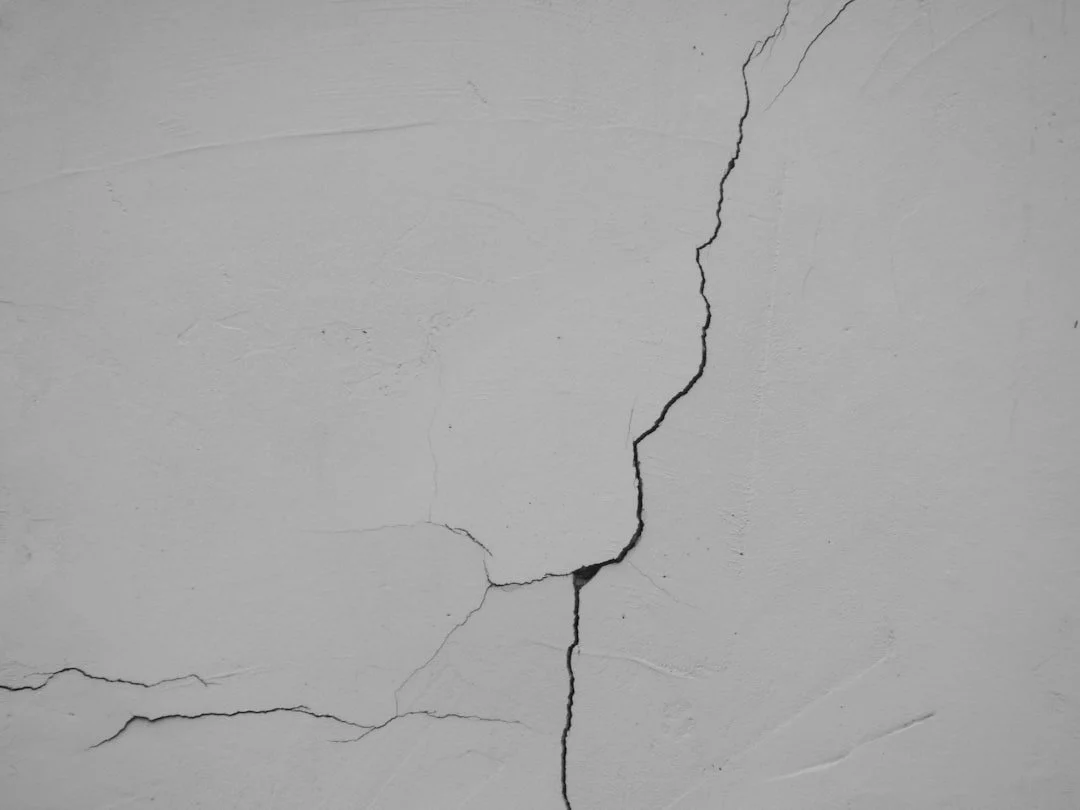
Water Ingress in Strata Buildings: What It Costs to Ignore It A stain on a ceiling is rarely just a stain. By the time water shows up inside an apartment, it has usually been moving through the structure for months. Our new guide walks strata managers and owners through where water actually gets in, how to tell a minor defect from a structural one, and what a proper diagnosis should cover before anyone starts quoting repairs. Plain English, no jargon.
Stay Connected with Assentra
Stay up to date with Assentra's latest projects, company news, industry insights, and engineering expertise through our social feeds.
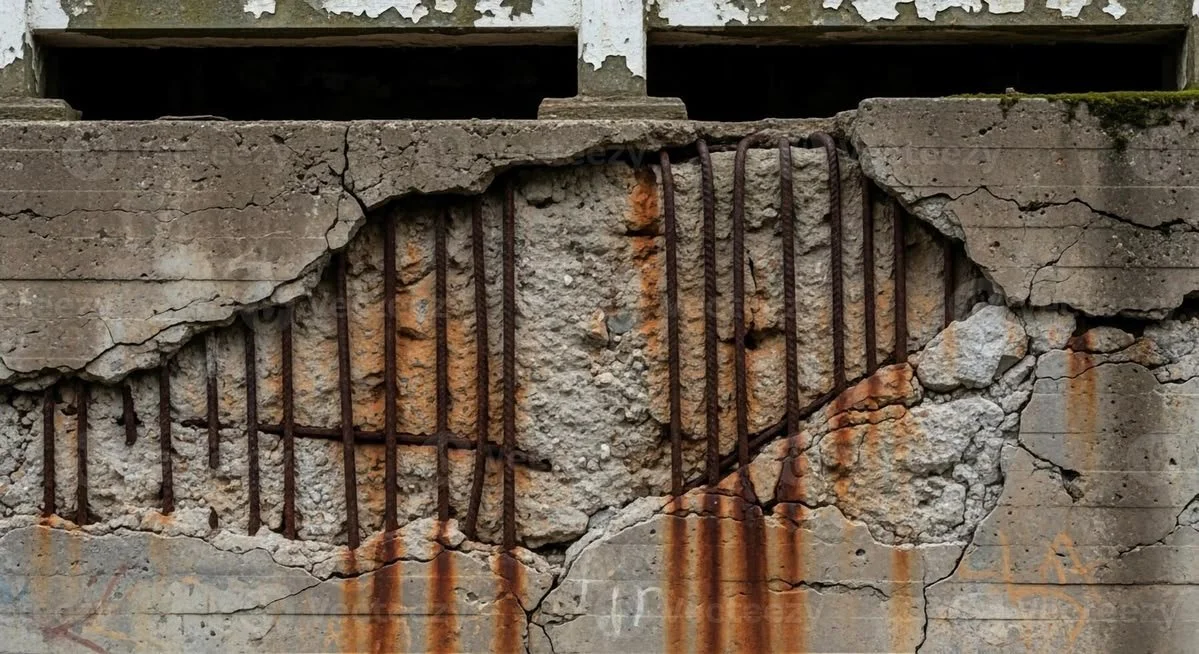
Concrete Cancer Explained: What Repairs Actually Cost Owners ask us this constantly and most answers online are vague. So we wrote the article we wished existed. It covers what drives the price up (access, extent, whether the reinforcement is compromised), what a realistic scope of works looks like, and why the cheapest quote is often the most expensive decision a committee makes. Worth a read before your next AGM.
Concrete Spalling vs Concrete Cancer: How to Tell the Difference They get used interchangeably, and that confusion costs buildings money. Spalling is what you see. Concrete cancer is what is causing it. One can sometimes be patched. The other will keep coming back until the reinforcement is properly treated. Our latest article shows the visual cues to look for and when to escalate to an engineer.
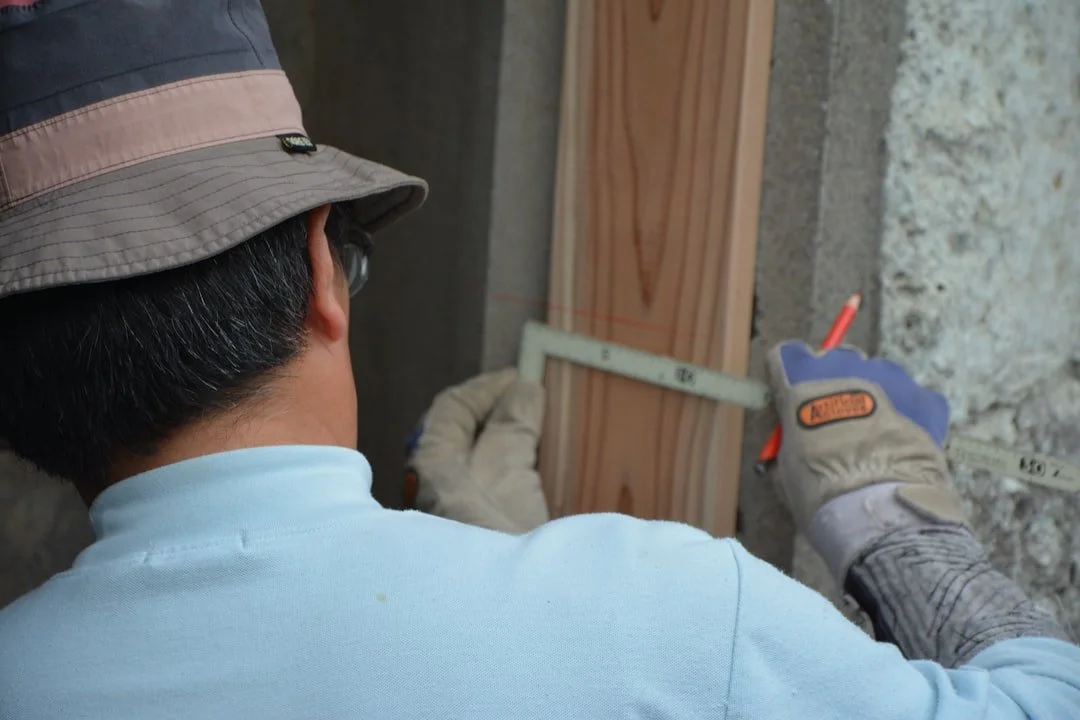
What actually happens when we inspect your building It is not someone walking around with a clipboard for twenty minutes. A proper remedial inspection means moisture readings, checking falls and drainage, opening up where we need to, and tracing a leak back to its source rather than its symptom. We document what we find, we tell you what is urgent and what can wait, and we put a number on it. Owners deserve to know what they are paying for.
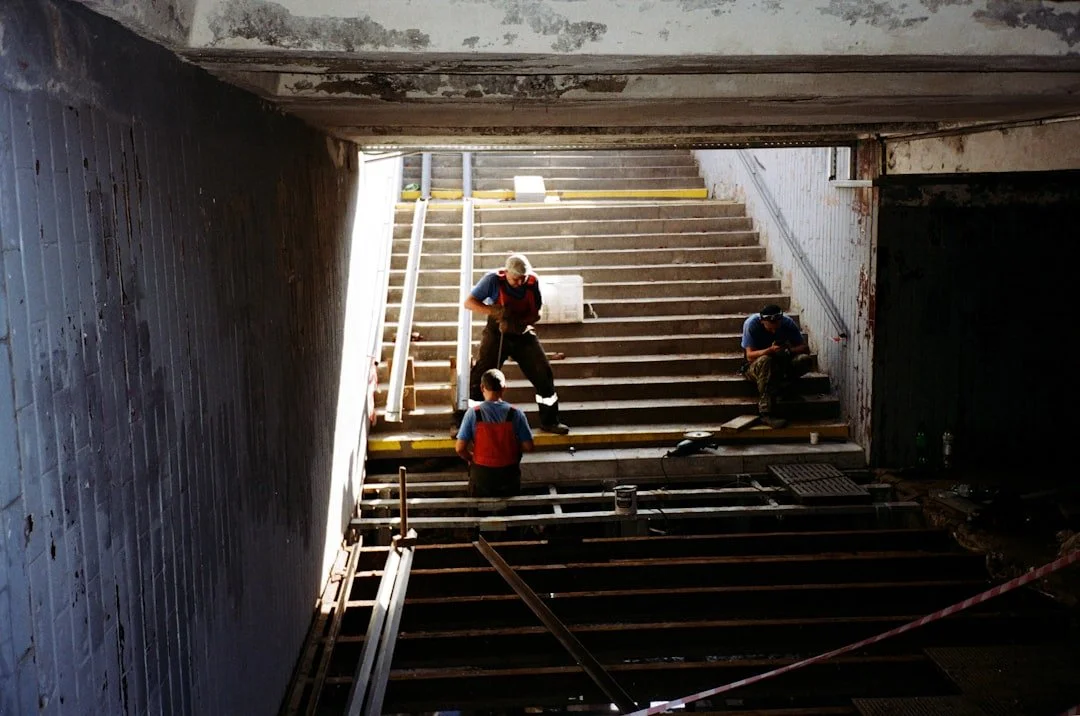
Balcony Waterproofing and AS 4654: What Building Owners Need to Know Balconies are one of the most common sources of water ingress in NSW strata buildings, and most failures trace back to the same handful of detailing mistakes. Our new guide breaks down what AS 4654 actually requires, what good workmanship looks like, and the questions to ask a contractor before you sign anything.
Capital Works Funds for Strata: A Plain-English Planning Guide Most special levies are not a surprise. They are a plan that was never made. This guide explains what a capital works fund is meant to cover, how the ten year plan should be built, and why an underfunded fund quietly transfers risk onto whoever owns the lot when the bill lands. Useful reading ahead of budget season.
A Strata Committee's Guide to Building Defect Reports You have been handed a fifty page report full of technical language and photos of things you cannot identify. Now what? We wrote a guide on how to actually read a defect report: how to separate the urgent from the cosmetic, what a defect classification means in practice, and how the report feeds into your options under the Home Building Act.
The strata rules changed in April. Here is what it means for maintenance. The Strata Schemes Legislation Amendment Act 2025 came into force in April 2026, and it puts sharper obligations around maintenance planning and disclosure. If your scheme has been deferring works, the case for getting a condition assessment done now is stronger than it was last year. General information only, not legal advice.
The building bond scheme has deadlines. Most owners find out too late. If your building is a new residential strata scheme in NSW, the SBBIS process runs to a fixed timetable, and missing a stage can cost the owners corporation real money. We broke the five stages down into a single timeline so committees can see where they sit and what happens next.
Never ask the person quoting the repair to diagnose the problem It sounds obvious. It happens constantly. A contractor inspects a leak, finds a problem that happens to match the work they sell, and the committee approves it. Sometimes that is the right answer. Often it is not. An independent assessment separates the diagnosis from the sales pitch, and it usually pays for itself the first time it stops the wrong scope of works.
READY TO HAVE A CONVERSATION?