
What Is Water Ingress? Causes, Warning Signs and How It's Fixed
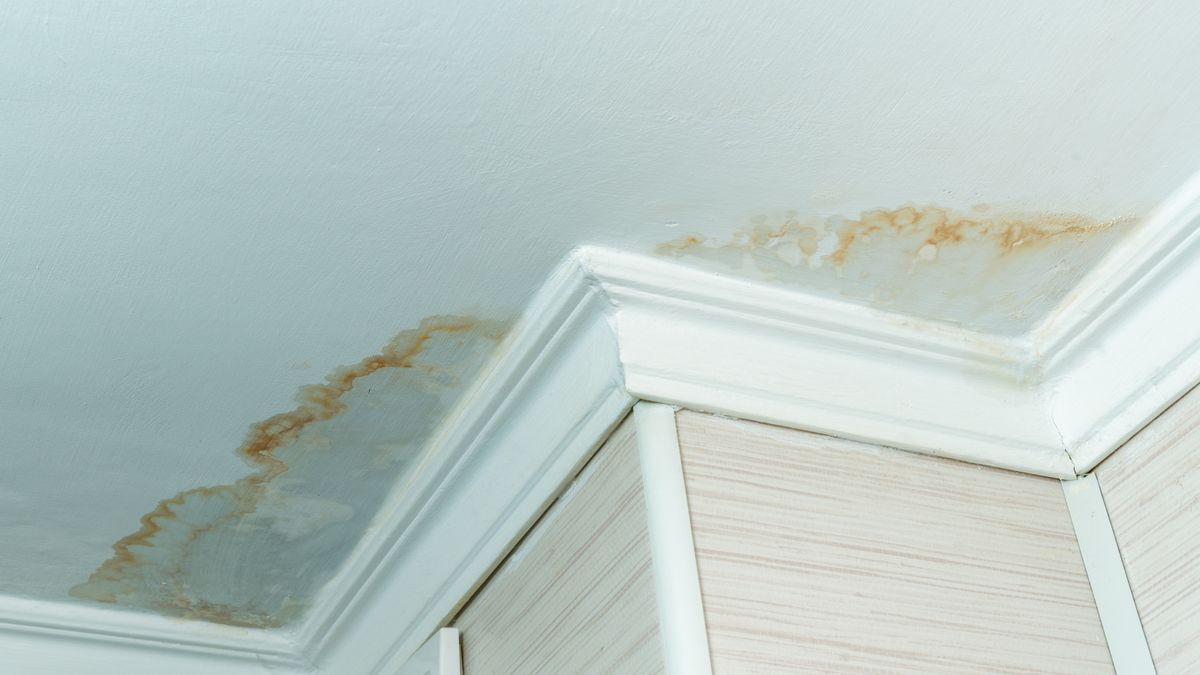
Water ingress is the unwanted movement of water into a building through a part of the structure that is supposed to keep it out. In plain terms, it is water getting in where it shouldn't: through a balcony, a roof, a wall, a window, a basement or a failed waterproofing membrane. Left alone, what starts as a faint stain on a ceiling can quietly turn into rotting timber, rusting steel, crumbling concrete and a remediation bill that runs into six figures.
If you manage a strata building or own an apartment and you have noticed a damp patch that keeps coming back, you are in the right place. This guide explains what water ingress actually is, why it happens, the early signs most people miss, and how a building consultant goes about finding the real source and fixing it properly rather than just painting over the symptom.
Why water ingress is worth taking seriously
Most building owners treat a small leak as a small problem. It rarely is. Water is patient and it follows gravity and capillary action into places you cannot see, so the visible damage is almost always smaller than the hidden damage behind it.
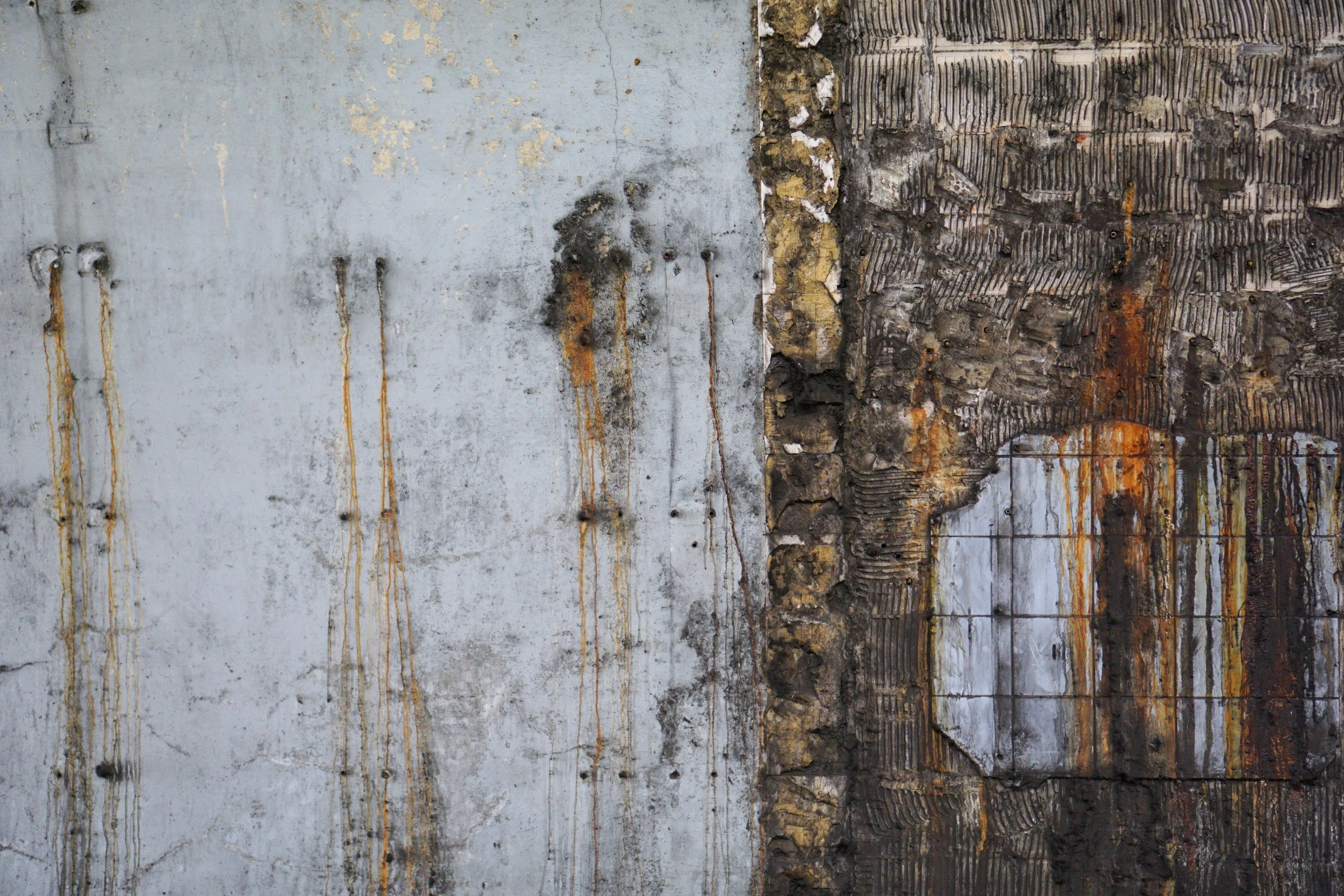
The reason water ingress causes so much trouble is that it attacks the parts of a building that hold it up. When moisture reaches the steel reinforcement inside concrete, the steel corrodes, expands, and cracks the concrete from the inside out. That process is commonly known as concrete cancer, and it is one of the most expensive defects a strata scheme can face. Water also feeds mould, rots structural timber, lifts tiles and flooring, ruins plaster and insulation, and creates a genuine health concern for residents.
There is a financial logic here too. A waterproofing repair caught early might cost a few thousand dollars. The same fault ignored for two or three years can compromise a slab or a facade and cost dramatically more, often with the added pain of relocating residents while major works are carried out. Acting early is almost always the cheaper decision.
What causes water ingress?
Water ingress is rarely random. It usually traces back to one of a handful of recurring causes, and a good diagnosis is mostly about working out which one (or which combination) is at play.
Failed or ageing waterproofing membranes
The most common culprit is a waterproofing membrane that has reached the end of its life or was poorly installed in the first place. Membranes sit beneath tiles on balconies, in bathrooms, in planter boxes and on rooftops, and they are the building's primary defence against water. When a membrane cracks, lifts at the edges or was never lapped correctly during construction, water passes straight through and into the structure below.
Balcony and planter defects
Balconies are a classic trouble spot, especially in residential strata. Falls that direct water toward the building instead of away from it, blocked or poorly placed drainage, failed perimeter seals and membranes that were not turned up high enough at the wall junction all let water track inside. Balcony waterproofing is governed by Australian Standard AS 4654, and a surprising number of defects come down to original work that never met it.
Facade and wall penetration
Walls are supposed to shed water, but cracks in render, perished sealant around windows, failed control joints and damaged cladding all give water a way in. On taller buildings, wind-driven rain can be forced horizontally and even upward into gaps that would never leak in still conditions, which is why some leaks only ever appear in certain weather.
Roof and gutter failure
Tired roofing, corroded flashings, undersized or blocked gutters and box gutters that overflow during heavy rain all push water back into the building. Roof-related ingress often shows up well away from the actual entry point, which makes it one of the trickier sources to trace without proper investigation.
Plumbing and drainage faults
Not all water ingress comes from outside. Leaking pipes hidden in walls and floors, failed shower trays, and faulty stormwater or sub-soil drainage can all produce the same symptoms as a roof or balcony leak. Distinguishing a plumbing leak from a waterproofing failure is one of the first things a diagnostic inspection sorts out, because the two are repaired by completely different trades.
Rising damp and ground water
In lower levels and basements, water can move upward through masonry from the ground (rising damp) or push through retaining walls and slabs under hydrostatic pressure. These are structural waterproofing problems rather than surface ones, and they need an engineered solution rather than a quick patch.
Original construction defects
Finally, a great deal of water ingress is simply baked into the building from day one. Missing or shortcut waterproofing, incorrect falls, poor detailing at junctions and substituted materials are common findings in defect investigations, particularly in buildings constructed during fast-moving development periods. For newer strata schemes, this often becomes a matter for a formal building defect report and, in some cases, a claim.
Warning signs of water ingress
The earlier you catch water ingress, the cheaper and simpler it is to fix. The difficulty is that the obvious signs usually appear long after the problem started. Here are the indicators worth watching for, from the obvious to the easily missed.
Stains and discolouration on ceilings or walls, often yellow, brown or grey, that reappear after you paint over them.
Bubbling, blistering or peeling paint, or render that sounds hollow when tapped, which signals moisture trapped behind the surface.
A persistent musty smell, which is often the first sign of mould growing in a wall cavity or under flooring before anything is visible.
Efflorescence, the chalky white salt deposit that forms on brick, concrete or tiles as water moves through and evaporates.
Mould spotting in corners, around windows, in wardrobes or along skirting boards, especially if it keeps returning after cleaning.
Lifting, drumming or cracked tiles on balconies and in bathrooms, which often mean the membrane below has failed.
Damp or swollen flooring, skirting or plasterboard, or timber that feels soft.
Rust staining or cracking on concrete, particularly horizontal cracks following the line of reinforcement, which can point to concrete cancer already underway.
Damp patches that change with the weather, appearing after heavy or wind-driven rain and drying out between events.
A single sign on its own is worth noting. A combination of them, or any sign that keeps coming back after a cosmetic repair, is a clear prompt to have the building properly investigated.
How water ingress is diagnosed
Here is the part that separates a lasting fix from an expensive guess. Water travels, so the spot where it appears is almost never the spot where it enters. Chasing the stain instead of the source is the single most common reason repairs fail and the leak comes back a season later.

A proper diagnosis starts with a methodical inspection of the affected area and everything above and around it, because water moves down and across before it shows itself. From there, a building consultant uses a combination of tools and techniques to confirm the source rather than assume it:
Moisture mapping with calibrated meters to trace where water is actually sitting within the structure.
Thermal imaging, which reveals temperature differences caused by trapped moisture behind surfaces that look perfectly dry.
Targeted water testing, where areas are flooded or sprayed in a controlled sequence to reproduce the leak and pinpoint the entry point.
Invasive investigation where needed, opening up small sections to inspect membranes, falls and junctions directly.
Materials testing and diagnostics to understand the condition of concrete, membranes and seals and how far any deterioration has progressed.
The output of this work is a clear diagnosis of what is failing and why, which is what allows the right repair to be specified with confidence. For strata schemes, insurers and legal matters, this is often documented in a formal report that stands up to scrutiny.
How water ingress is fixed
The right repair depends entirely on the diagnosis, which is why the investigation matters so much. There is no single fix for water ingress, but the work generally falls into a few approaches.
For failed membranes on balconies, bathrooms and roofs, the solution is usually to remove the finishes, correct any falls and detailing, and install a new waterproofing system that meets the relevant Australian Standard. Where full removal is not practical, certain liquid-applied and injection systems can be used to reseal without complete demolition, provided the substrate is sound.
For facade and wall ingress, repairs focus on cracks, joints and seals: routing and sealing cracks, replacing perished sealant, repairing render and reinstating control joints so the wall sheds water as intended. Roof and gutter problems are resolved by replacing flashings, upgrading drainage capacity and correcting falls.
Where water has already reached the reinforcement and concrete cancer has set in, the repair becomes a remedial engineering job: removing the damaged concrete, treating or replacing the corroded steel, and reinstating the section so it is structurally sound and protected against future moisture. Below-ground ingress and hydrostatic problems call for engineered structural waterproofing rather than surface treatments.
In every case, the goal is the same. Stop the water at its true source, repair the damage it has already caused, and protect the building so the same problem does not return. A repair that addresses the symptom but not the cause is money wasted.
A note for strata managers and owners corporations
In a strata building, water ingress carries an extra layer of complexity: working out who is responsible for the repair. Broadly, the owners corporation is responsible for common property, including the building's structure and external walls and, in most cases, the waterproofing membranes, while lot owners are responsible for what sits inside their lot. The line between the two is not always obvious, and getting it wrong leads to disputes, delays and damage that keeps spreading while the question is argued.
This is exactly where an independent building consultant earns their keep. A clear diagnosis and a well-documented report give the committee, the strata manager and any insurer or legal adviser a shared, factual basis for deciding how to proceed. For newer buildings, that same evidence can support a defect claim against the original builder or developer.
When to call a building consultant
You do not need to wait for a ceiling to give way. It is worth getting professional advice when:
A stain, damp patch or mould keeps returning after you have cleaned or repainted it.
A leak appears only in certain weather, which suggests a hidden entry point.
You are about to spend money on a cosmetic repair without knowing the cause.
A balcony, bathroom or roof is showing lifting tiles, drumming surfaces or visible cracking.
You see rust staining or cracking on concrete, which may already be concrete cancer.
Your strata scheme is approaching the end of its defects liability or warranty period and you want issues documented before it closes.
Catching water ingress early is almost always the difference between a manageable repair and a major one.
Frequently asked questions
What is water ingress in simple terms? Water ingress is water getting into a building where it is not meant to be, such as through a balcony, roof, wall, window or a failed waterproofing membrane. It is a problem because the water damages the structure and finishes from the inside, often well before any sign appears on the surface.
Is water ingress the same as a leak? A leak is one form of water ingress. Water ingress is the broader term and includes slow seepage, rising damp and moisture driven in by wind and rain, not just a visible drip. Many cases of water ingress never produce an obvious leak and instead show up as stains, smells or mould.
Can I just paint over a water stain? No. Painting over a stain hides the symptom but does nothing about the water still entering the building behind it. The stain will return, and the hidden damage will keep getting worse and more expensive to repair. The water needs to be stopped at its source first.
How much does it cost to fix water ingress? It depends entirely on the cause and how far the damage has spread. A minor membrane or sealant repair caught early is relatively inexpensive, while ingress that has reached structural concrete or a facade can run much higher. This is the strongest argument for diagnosing and fixing it early.
Who is responsible for water ingress in a strata building? In most cases the owners corporation is responsible for common property and the building's waterproofing, while lot owners look after the interior of their lot. The exact line varies, which is why an independent diagnosis and report is so useful for resolving responsibility fairly.
How do you find where water is getting in? A building consultant uses moisture mapping, thermal imaging and controlled water testing, and where necessary opens up small sections to inspect the waterproofing directly. Because water travels through a structure before it appears, finding the true entry point takes proper investigation rather than guesswork.
Get a clear diagnosis before you spend a cent on repairs
Water ingress only gets more expensive the longer it is left, and the most costly mistake is repairing the symptom while the real source keeps doing damage out of sight. If your building is showing any of the signs above, the right first step is a proper diagnosis from a specialist who can tell you exactly what is failing, why, and what it will take to fix.
Assentra is a registered waterproofing and facade design practitioner, and diagnosing and resolving water ingress is at the heart of what we do. Learn more about our waterproofing services or get in touch for an inspection to find out exactly what is going on behind that stain before it becomes something far bigger.