
BUILDING DIAGNOSTICS & MATERIALS TESTING
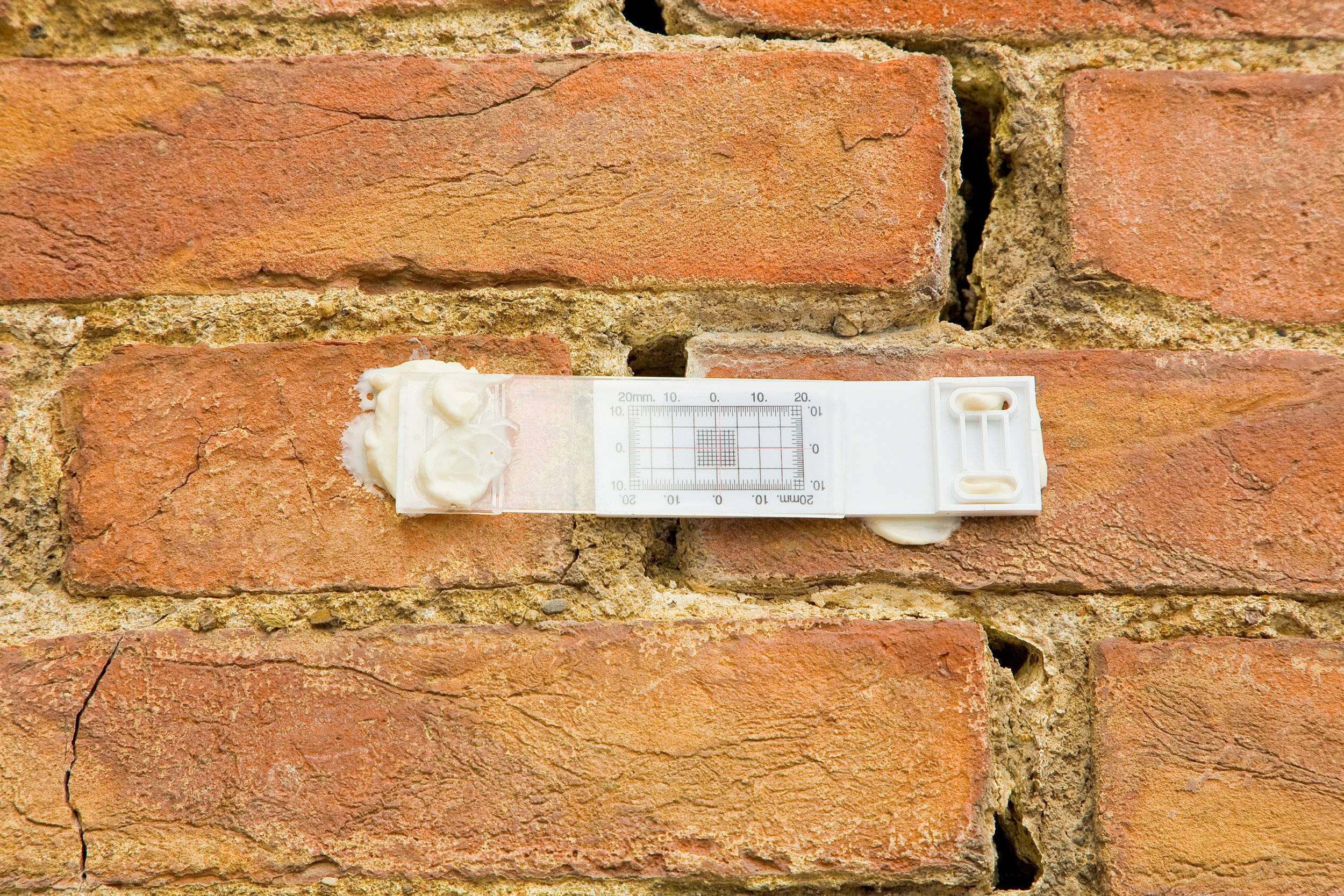
We specialise in building diagnostics and materials testing to accurately identify the underlying causes of structural and material defects.
Our expert-led investigations address a wide range of issues, including concrete spalling, corrosion and degradation, moisture ingress, façade deterioration, structural movement, and cracking. Through the use of diagnostic tools and testing methodologies, we deliver clear, evidence-based insights into the condition of key building elements. These detailed assessments form the foundation for effective remedial strategies—supporting long-term safety, regulatory compliance and optimal asset performance.
This service offering is divided into the following key areas:
Flood testing: Flood testing is used to assess the integrity of waterproofing membranes in balconies, rooftops, bathrooms and planter boxes. By temporarily ponding water under controlled conditions, we simulate rainfall exposure to detect failures, leaks or water tracking paths. This test is essential for identifying hidden waterproofing defects before extensive damage occurs.
Moisture survey: Using moisture meters and inspection techniques, we identify and map elevated moisture levels within building materials such as concrete, brickwork, render and timber. Moisture surveys help diagnose water ingress sources, monitor drying progress and support remedial design by quantifying the extent of water damage.
Thermal imaging: Infrared thermal imaging is a non-invasive technique used to detect temperature anomalies in building elements. This can reveal concealed moisture, insulation failures, thermal bridging and leaks behind walls or below surfaces—often without destructive investigation. It is a valuable tool for early defect detection and confirmation of remedial works.
Materials testing: We can arrange to undertake laboratory and in-situ testing of building materials to evaluate their strength, composition and condition. This includes concrete core testing, carbonation depth, chloride content, tensile pull-off testing and render bond strength. Accurate materials testing supports informed decision-making in remedial design and quality control.
Slab Scanning: Using ground-penetrating radar (GPR) or cover meters, we scan concrete slabs to locate embedded reinforcement, conduit and voids. This non-destructive method is essential before cutting, coring or drilling into slabs, and supports both structural assessments and safe construction planning.