
Concrete Cancer Explained: What Repairs Actually Cost
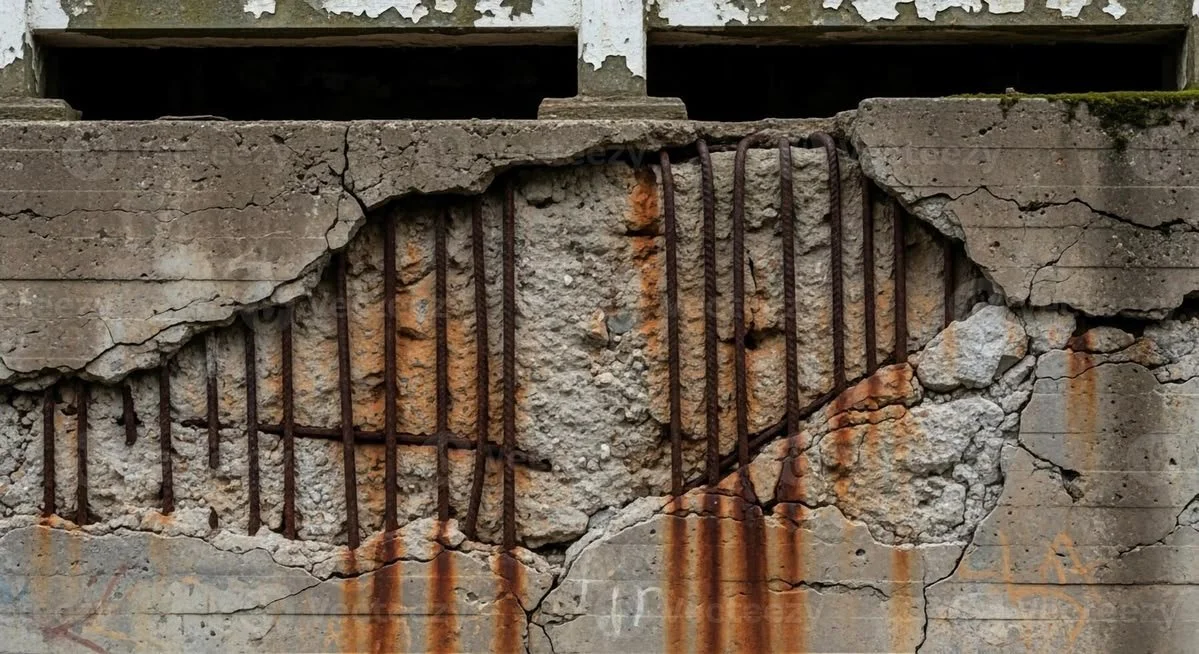
Concrete cancer is the slow destruction of concrete from the inside out, caused by the steel reinforcement within it rusting, swelling and cracking the concrete apart. It is one of the most common and most expensive structural defects in Australian strata buildings, and by the time most owners go looking for the term, they have already seen the symptoms: a rust stain weeping from a balcony soffit, a crack following a straight line across a slab, or a chunk of concrete that has simply fallen away.
If that sounds familiar, the question on your mind is almost certainly the same one everyone asks: what is this going to cost to fix? This guide answers that honestly. It explains what concrete cancer actually is, how to recognise it, how it is properly repaired, and the real numbers involved in 2026, including why two quotes for the same building can differ by tens of thousands of dollars and both be defensible.
What concrete cancer actually is
The proper name is concrete spalling caused by reinforcement corrosion, but "concrete cancer" stuck because the way it behaves is uncomfortably similar to the disease. It starts small and hidden, it spreads, and the longer it is left, the more aggressive and costly it becomes.
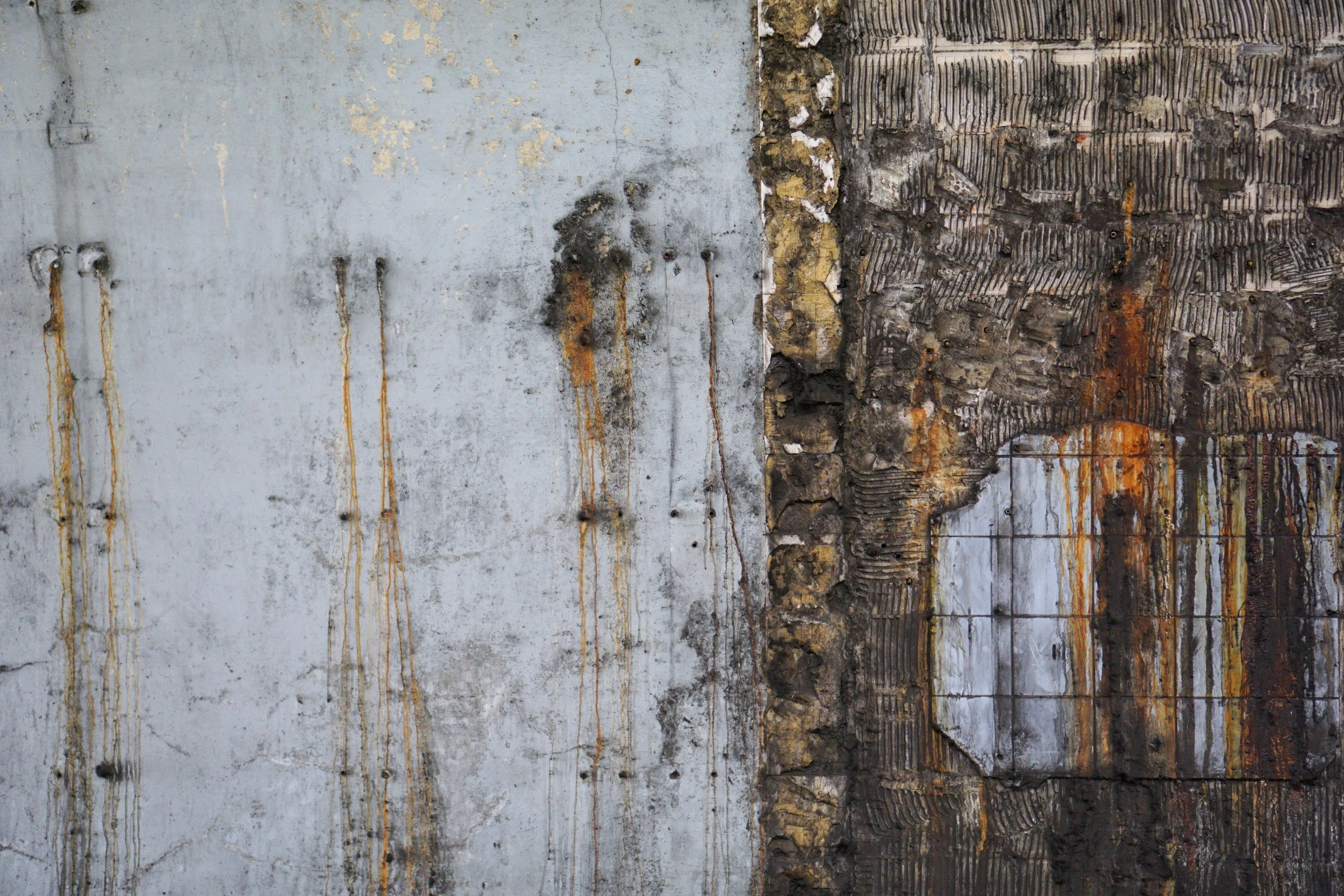
Reinforced concrete is concrete poured around a cage of steel bars. The concrete handles compression, the steel handles tension, and together they make the slabs, beams, columns and balconies that hold a building up. Fresh concrete is highly alkaline, and that alkalinity forms a microscopic protective layer around the steel that stops it rusting. Concrete cancer begins when something breaks down that protection and lets moisture and oxygen reach the steel.
When steel rusts, it expands to several times its original volume. Trapped inside the concrete, that expansion exerts enormous pressure and forces the concrete to crack, then to delaminate, and finally to break away in chunks, which is the spalling you can see. Once a crack opens, more water gets in, more steel corrodes, more concrete fails, and the process accelerates. That self-feeding cycle is exactly why concrete cancer never fixes itself and never stays small.
The two ways the protection breaks down
Almost all concrete cancer traces back to one of two mechanisms, and knowing which one is at play matters for the repair.
Carbonation is the slow one. Carbon dioxide from the air gradually penetrates the concrete and neutralises its alkalinity, stripping away the steel's protective layer over years or decades. It is the typical cause in older buildings and in concrete that was poured too porous or without enough cover over the steel.
Chloride attack is the aggressive one. Salt, whether from a coastal marine environment or from chlorides in the original concrete mix, breaks down the protective layer far faster and corrodes the steel even where the concrete still looks sound. In a harbour and coastal city like Sydney, chloride-driven corrosion is a major reason local buildings, especially balconies and facades exposed to salt air, deteriorate faster than their inland equivalents.
In both cases there is usually a third ingredient: water. Almost every case of concrete cancer is fed by moisture getting somewhere it shouldn't, which is why concrete repair and water ingress are so often the same investigation.
Why concrete cancer is worth acting on early
The single most important fact about concrete cancer is that it gets worse, and it gets worse at an accelerating rate. A repair that is straightforward this year becomes a bigger one next year and a structural problem the year after, because every month of corrosion expands the damaged zone and weakens the element it is attacking.
There are three reasons to take it seriously beyond the obvious structural one. First, safety: spalling concrete falls, and falling concrete from a balcony edge or soffit is a genuine hazard to people below, which is why some affected balconies end up closed to use until they are repaired. Second, cost: the same defect is dramatically cheaper to fix as a localised repair than as a building-wide remediation program, and the gap between those two numbers grows every year it is ignored. Third, value and compliance: unresolved structural defects affect a building's value, its insurability and, for an owners corporation, its obligations to maintain common property.
Put simply, concrete cancer is the clearest example in building maintenance of a problem where doing nothing is the most expensive choice available.
Concrete cancer announces itself well before it becomes dangerous, if you know what to look for. The earlier you catch these, the cheaper the repair.
Warning signs of concrete cancer
Rust-coloured staining weeping from concrete, especially on balcony edges, soffits and around embedded steel, which is corrosion product leaching out before the concrete fails.
Cracking that runs in a straight line, often following the path of the reinforcement below, rather than the random map-cracking of surface shrinkage.
Concrete that sounds hollow or drummy when tapped, signalling that it has delaminated from the steel behind it and is ready to come away.
Bubbling, blistering or lifting of paint and protective coatings on concrete surfaces.
Visible spalling, where pieces of concrete have already cracked, flaked or fallen off, sometimes exposing rusted steel underneath.
Exposed reinforcement, the most advanced and urgent sign, where the steel bar itself is visible and actively rusting.
A single hairline crack is worth monitoring. Rust staining, drumminess or any exposed steel is a prompt to get a professional assessment quickly, because those are signs the process is already well underway. The closely related question of how to distinguish surface damage from active corrosion is covered in our guide on concrete spalling versus concrete cancer.
What concrete cancer repairs actually cost
Here is the part everyone scrolls for, with the honesty most quotes don't give you up front. There is no single price for concrete cancer repair, because the cost is driven far more by access, extent and severity than by the patch of concrete itself. The same defect can cost a few thousand dollars or several hundred thousand depending on where it is and how far it has spread.
As an indicative guide for 2026, Australian concrete repair work tends to fall into these ranges per square metre of affected area:
Minor, localised repairs: roughly $250 to $600 per square metre, for small isolated areas where corrosion is limited and access is easy.
Moderate facade or structural remediation: roughly $600 to $1,200 per square metre, where the damage is more widespread or involves structural elements.
Severe or deep concrete cancer: can reach $2,000 to $3,000+ per square metre, where extensive breakout, reinforcement replacement and recasting are required.
For the element most strata owners worry about, a single balcony, repairs commonly range from around $3,500 for a minor fix to $30,000 or more for a badly deteriorated balcony that needs structural repair and re-waterproofing. Protective and waterproof coatings to defend repaired concrete typically add in the order of $100 to $150 per square metre. Across a whole building with multiple affected elevations and balconies, a full remediation program can run well into the hundreds of thousands of dollars.
These figures are indicative ranges, not a quote. The only way to know what your building will actually cost is a proper inspection and a defined scope of works, which is precisely the problem an accurate diagnosis solves.
Why two quotes can differ by tens of thousands
When owners receive wildly different prices for "the same job," it is usually not because one contractor is dishonest. It is because the cost of concrete cancer repair is dominated by factors that have little to do with the concrete:
Access. This is often the biggest single line item. Reaching a third-floor balcony soffit or a high facade can mean full perimeter scaffolding, which is expensive and slow, and traditional scaffolding alone can add in the order of 25 to 40 percent to a project's total cost. Rope access and engineered access systems can reduce that substantially, which is why access strategy, more than anything, separates an affordable project from a painful one.
Extent and accuracy of scope. Concrete cancer hides. A quote based on the visible damage will always come in lower than one based on what is actually there, and the cheaper quote is not a saving if it misses half the corrosion and the work has to be reopened.
The structural element involved. Repairing a flat slab is one thing; repairing a load-bearing beam, column or cantilevered balcony edge is more complex, may need temporary propping, and may require engineered structural reinstatement.
Severity and depth. Surface patching is cheap. Deep corrosion that has eaten into the steel and requires breakout, bar replacement and recasting is not.
Exposure. Coastal and salt-exposed buildings tend to have more extensive, chloride-driven deterioration, pushing both scope and cost up.
The costs people forget to budget for
The contractor's square-metre rate is only part of a realistic budget. A properly planned concrete cancer project should also allow for:
Engineering and assessment fees to inspect, identify the cause, specify the correct repair method and produce documentation the owners corporation can approve and rely on.
Access and traffic management, particularly in occupied strata buildings.
Waterproofing and protective coatings to stop the problem returning.
A contingency, because concrete cancer almost always reveals more once work opens up the affected area.
Resident communication and project management across what can be a disruptive, multi-week program.
This is why a defect report and a defined scope from an independent consultant usually save money rather than add to it. They turn a vague, frightening number into a costed, staged plan, and they let you compare quotes on a like-for-like basis instead of guessing.
How concrete cancer is properly repaired
Understanding the repair process makes the cost make sense, and it explains why the cheapest quote is so often the most expensive in the end. A correct concrete cancer repair follows a logical sequence:
Diagnose the cause. Before anything is touched, the source of the moisture or chloride driving the corrosion is identified. Skip this and the repair will fail.
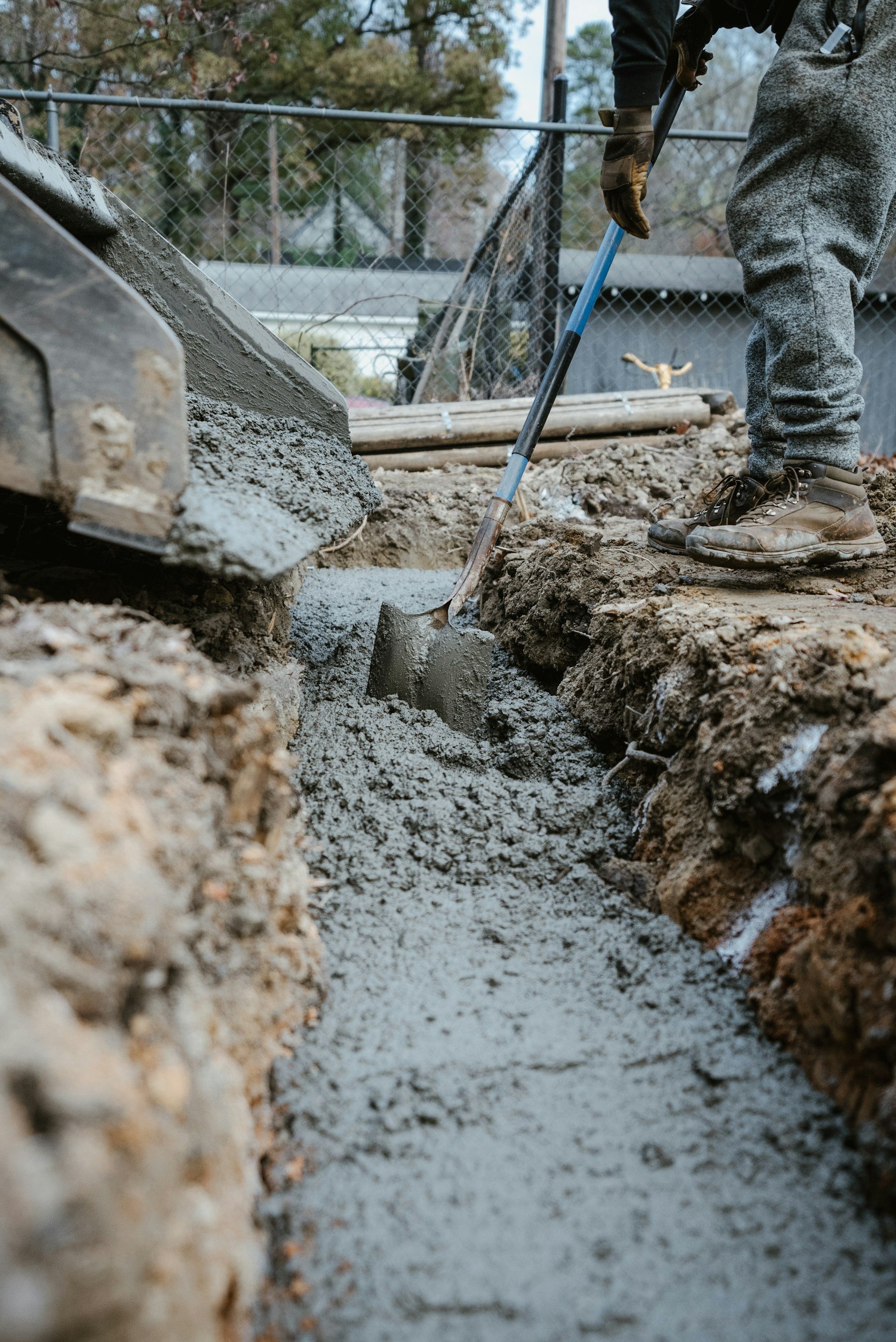
Remove the damaged concrete. All loose, cracked and delaminated concrete is broken out back to sound material, exposing the corroded steel fully rather than patching over it.
Treat or replace the steel. The reinforcement is cleaned of rust and treated, or replaced and supplemented where corrosion has reduced its cross-section, then protected against future corrosion.
Reinstate the section. The element is rebuilt with compatible repair mortars or concrete so it is structurally sound and matches the original profile.
Protect against recurrence. Protective coatings and waterproofing are applied, and the original water-entry path is corrected, so the same corrosion cycle cannot start again.
The reason the cause has to be fixed, not just the concrete, is that concrete cancer is a symptom. If water or salt keeps reaching the steel, freshly repaired concrete will crack again within a few years and you will pay for the same defect twice. A repair that addresses the concrete but not the water ingress feeding it is money spent on borrowed time.
A note for strata managers and owners corporations
In a strata building, concrete cancer almost always affects common property, the structural slabs, beams, columns and facade, which means the owners corporation is generally responsible for the repair and for funding it. For most schemes that funding comes from the capital works fund, and a significant remediation can require a special levy if the fund is not adequately provisioned.
This is where planning pays off. A building approaching the end of its defects liability period, or one showing early warning signs, benefits enormously from an independent condition assessment that quantifies the problem before it becomes a crisis. That assessment lets the committee budget realistically, stage the works sensibly, and, for newer buildings, supports a defect claim against the original builder or developer where the cause traces back to shortcut construction. Folding likely concrete repair into a forward maintenance plan through proper capital works planning is far less painful than facing an unbudgeted six-figure levy.
When to get a professional assessment
It is worth getting advice from a remedial engineer or building consultant when:
You can see rust staining, drumming concrete, or any exposed and rusting steel.
Cracks are appearing along consistent lines on slabs, balconies, beams or columns.
A balcony or facade is shedding concrete, however small the pieces.
You are about to commission a repair and want the cause diagnosed and the scope defined before you spend.
Your strata scheme is planning its capital works budget and wants the building's true condition quantified.
You have received quotes that vary dramatically and need an independent scope to compare them against.
The earlier concrete cancer is assessed, the more repair options remain open and the lower the eventual cost.
Frequently asked questions
What is concrete cancer in simple terms? Concrete cancer is when the steel reinforcement inside concrete rusts and expands, cracking the surrounding concrete apart from the inside. It is caused by moisture, and often salt, reaching the steel, and it spreads and worsens over time if it is not treated.
How much does concrete cancer repair cost? It depends heavily on access, extent and severity. As an indicative 2026 guide, minor localised repairs sit around $250 to $600 per square metre, while severe structural repairs can reach $2,000 to $3,000 or more per square metre. A single balcony commonly ranges from about $3,500 to $30,000+, and a whole-building program can run into the hundreds of thousands. Only an inspection and defined scope can give you an accurate figure.
Why are concrete cancer quotes so different from each other? Because most of the cost is access and scope, not concrete. A quote priced on visible damage with simple access will always look cheaper than one priced on the full extent of corrosion with scaffolding, and the cheaper one is not a saving if it misses corrosion that then has to be reopened.
Is concrete cancer dangerous? It can be. As it progresses, concrete delaminates and falls, which is a real hazard from balconies and soffits, and in advanced cases it compromises the structural capacity of the element. Affected balconies are sometimes closed to use until repaired.
Can concrete cancer be fixed permanently? Yes, when the repair removes the damaged concrete, treats or replaces the steel, reinstates the section, and crucially fixes the source of moisture or salt feeding it. If the cause is not corrected, the repair will fail again within a few years.
Who pays for concrete cancer repairs in a strata building? Because it almost always affects common property and structure, the owners corporation is generally responsible, funded through the capital works fund or a special levy. For newer buildings, the cost may be recoverable from the builder or developer through a defect claim.
Get a costed plan before you commit to repairs
Concrete cancer is the rare building problem where waiting is guaranteed to cost more, and where the cheapest quote is often the one that fails first. The most valuable thing you can do before spending anything is understand exactly what is failing, why, and what a correct repair will actually involve, so the money you spend fixes the problem for good.
Assentra is a registered structural, civil and remedial design practitioner, and diagnosing and resolving concrete deterioration is core to what we do. Learn more about our remedial engineering services or get in touch for a concrete cancer assessment to find out what is really happening inside that concrete, and what it will take to fix it.