
Concrete Spalling vs Concrete Cancer: How to Tell the Difference
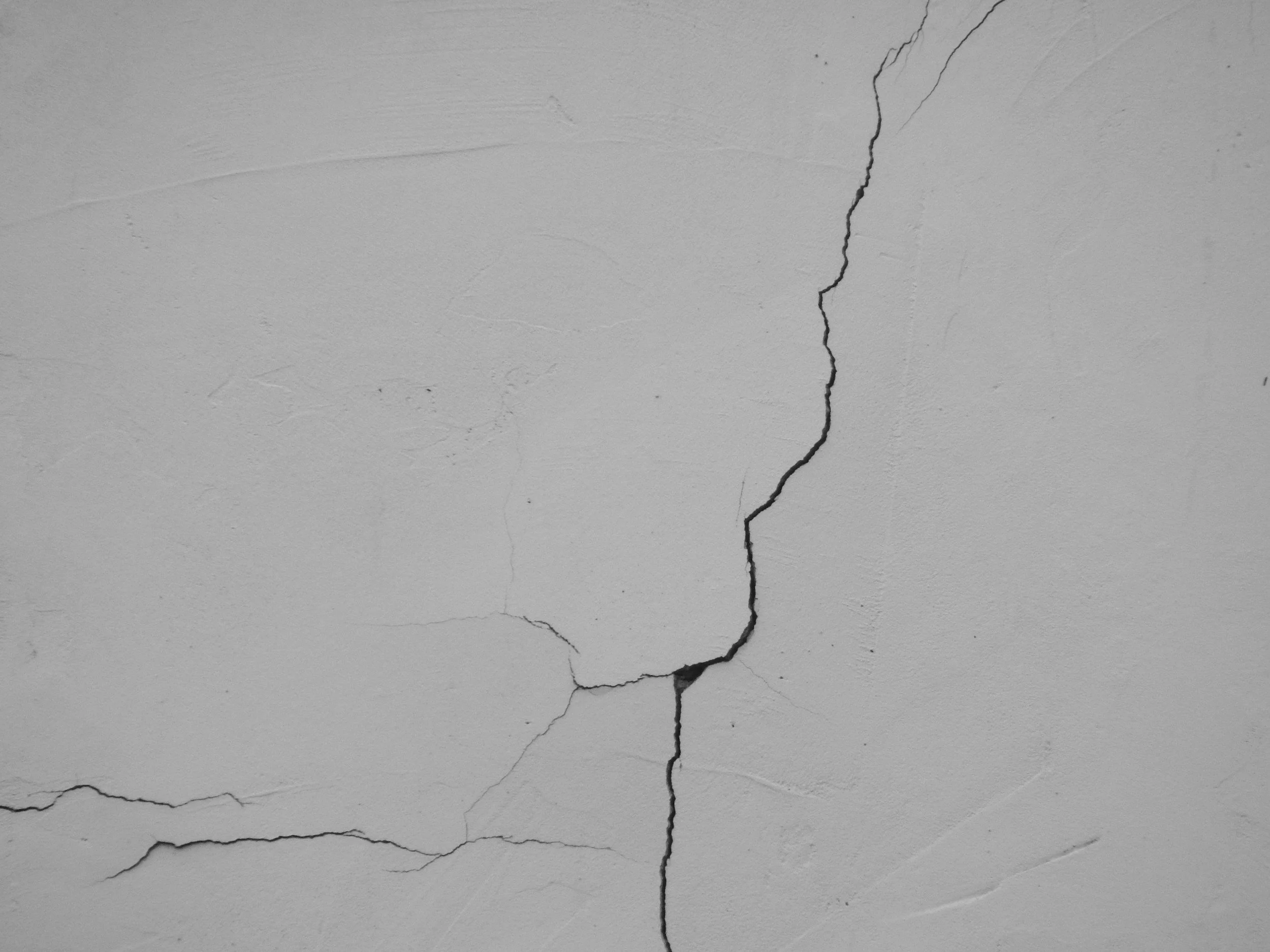
Concrete spalling and concrete cancer get used as if they mean the same thing, and that confusion costs building owners money. They are related, but they are not interchangeable. One is what you can see. The other is what might be causing it. Getting the two mixed up is how owners end up paying to patch a surface while the real problem keeps eating the structure underneath.
The short version is this: concrete spalling is the visible damage, the flaking, chipping and breaking away of concrete. Concrete cancer is one specific and serious cause of that damage, where the steel inside the concrete is corroding. All concrete cancer eventually produces spalling, but not all spalling is concrete cancer. This guide explains the difference clearly, shows you how to tell which one you are looking at, and explains why the distinction decides what your repair should actually be.
What concrete spalling is
Concrete spalling is a description of damage, not a diagnosis. It is the term for concrete that has cracked, flaked, delaminated or broken away from a surface, leaving pits, craters or exposed edges. It describes the symptom you can see, regardless of what caused it.
That is the key thing to understand. Spalling is the outcome, and several different problems can produce it:
Corrosion of the steel reinforcement, which is concrete cancer, the most common and most serious cause in reinforced buildings.
Surface delamination from poor finishing, where bleed water or over-trowelling during construction left a weak top layer that later lifts and flakes off.
Freeze-thaw damage, where water trapped in the concrete's pores freezes, expands and breaks the surface apart. This is common in cold climates but relatively rare across most of Australia outside alpine areas.
Fire or heat damage, which causes the surface to crack and break away.
Impact or mechanical damage from a knock or load the concrete was not designed for.
Chemical attack or reactions within the concrete itself, such as sulfate attack or alkali-silica reaction, which can crack and degrade it from within.
Because the same visible damage can come from any of these, "you have spalling" is only the beginning of the answer. The repair depends entirely on the cause.
What concrete cancer is
Concrete cancer is a specific cause of spalling: the corrosion of the steel reinforcement embedded inside the concrete. The proper engineering term is reinforcement corrosion, and it works like this. Reinforced concrete relies on steel bars for tensile strength, and fresh concrete forms a protective alkaline layer around that steel. When something breaks down that protection, usually moisture and oxygen reaching the steel, or salt from a coastal environment, the steel begins to rust.
Rusting steel expands to several times its original volume. Trapped inside the concrete, that expansion forces the concrete to crack from the inside, then delaminate, then break away. The spalling you see on the surface is the final stage of a process that started out of sight, around the steel. And because every new crack lets in more moisture, the corrosion accelerates and spreads.
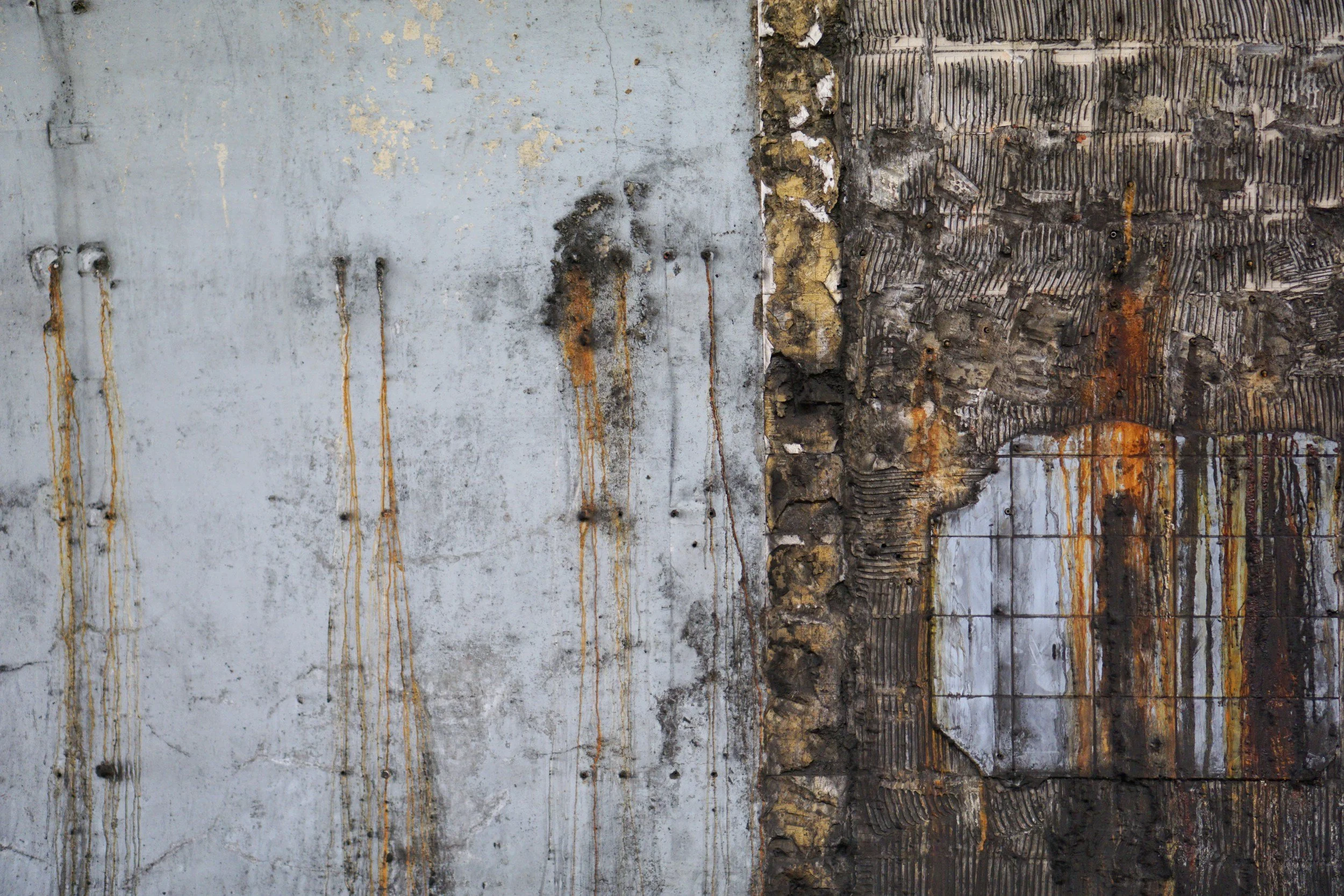
This is the critical difference. Surface spalling from poor finishing or a one-off impact is essentially cosmetic and stable. Concrete cancer is structural and progressive, because it is attacking the steel that holds the building up, and it will not stop until the corrosion is treated and its cause removed. Our full guide on concrete cancer and what repairs cost covers the repair process and the numbers in detail.
How to tell the difference
You will not always be able to diagnose the cause from the ground, and serious cases need a professional assessment. But there are reliable indicators that point toward concrete cancer rather than harmless surface spalling.
Signs it is likely concrete cancer
Rust-coloured staining weeping from the concrete or running down from a crack. This is corrosion product from the steel, and it is the single clearest sign that the reinforcement is involved.
Exposed steel reinforcement that is visibly rusting. This is concrete cancer by definition and is the most advanced and urgent sign.
Cracks that run in straight lines, often parallel to one another, following the path of the reinforcing bars below the surface.
Drummy or hollow-sounding concrete when tapped, indicating it has delaminated from the steel behind it.
Damage on structural elements with embedded steel near the surface, such as balcony edges and soffits, beams, columns and suspended slabs.
Signs it may be surface spalling, not cancer
No rust staining and no exposed steel, just flaking or pitting of the surface layer.
Shallow, surface-only damage that lifts off as thin flakes rather than breaking away in structural chunks.
Damage on non-structural or unreinforced surfaces, such as a render coat, a topping slab or a path, where there is no reinforcement near the surface to corrode.
A clear one-off cause, such as fire scorching or a visible impact point, rather than a spreading pattern.
A useful rule of thumb: rust changes everything. Surface flaking with no sign of corrosion is often a finish or exposure issue. The moment you see rust staining, drummy concrete over reinforcement, or exposed steel, treat it as likely concrete cancer and get it assessed, because that is the version that gets worse and more expensive every month it is left.
Why the distinction matters so much
This is not an academic exercise. The diagnosis decides the repair, and getting it wrong is expensive in both directions.
If genuine concrete cancer is misread as simple surface spalling and patched over, the repair will fail. The steel keeps corroding behind the new patch, the concrete cracks again within a few years, and you pay for the same area twice, with more damage to fix the second time. This is the most common and most costly mistake owners make with concrete.
Equally, treating stable surface spalling as if it were concrete cancer means paying for breakout, reinforcement treatment and recasting that the situation never needed. Both errors come from skipping the step that matters most: working out what is actually causing the damage before deciding how to fix it.
There is also a shared root cause worth flagging. The most common driver of concrete cancer is moisture reaching the steel, which means concrete repair and water ingress are frequently the same investigation. A lasting concrete repair almost always involves finding and stopping the water feeding the corrosion, not just dealing with the concrete.
How professionals confirm the cause
Where the cause is not obvious, or where the damage is on a structural element, a remedial engineer or building consultant confirms it rather than assumes it. That typically involves close inspection of the affected and surrounding areas, sounding the concrete to map delamination, checking the depth of cover over the steel, and testing the concrete to establish whether carbonation or chloride contamination has reached the reinforcement. The output is a clear diagnosis of what is failing and why, which is what allows the correct repair to be specified with confidence and costed accurately. For strata schemes and any insurance or defect matter, that diagnosis is usually documented in a report that stands up to scrutiny.
Frequently asked questions
Is concrete spalling the same as concrete cancer? No. Concrete spalling is the visible damage, the flaking and breaking away of concrete. Concrete cancer is one cause of that damage, where the steel reinforcement inside the concrete is corroding. All concrete cancer produces spalling eventually, but spalling can also come from other causes that are not concrete cancer.
How do I know if my spalling is concrete cancer? Look for rust-coloured staining, exposed and rusting steel, straight cracks following the reinforcement, and concrete that sounds hollow when tapped, especially on balconies, soffits, beams and columns. Those point to corrosion. Shallow surface flaking with no rust and no exposed steel is more likely a finishing or exposure issue, though only an inspection can confirm it.
Is all concrete spalling serious? Not necessarily. Surface spalling from poor finishing or a one-off impact can be largely cosmetic and stable. Spalling caused by reinforcement corrosion is serious, because it is structural and gets progressively worse until the corrosion is treated.
Can I just patch spalling myself? Patching the surface without diagnosing the cause is risky. If the underlying problem is corroding steel, a surface patch will fail and the damage will return worse than before. The cause needs to be identified first so the repair addresses the real problem.
Does spalling always mean water is getting in? Often, but not always. Moisture reaching the steel is the most common driver of concrete cancer, so corrosion-related spalling usually does involve water ingress. Spalling from fire, impact or poor finishing may not. Identifying the cause is what tells you whether water is part of the picture.
Not sure which one you're looking at?
If your building is shedding concrete and you cannot tell whether it is harmless surface damage or concrete cancer eating the structure, the safest and cheapest first step is a proper diagnosis. Guessing wrong in either direction costs money, and concrete cancer in particular only gets more expensive the longer it goes unidentified.
Assentra is a registered structural, civil and remedial design practitioner, and accurately diagnosing concrete deterioration is core to what we do. Learn more about our remedial engineering services or get in touch for an assessment to find out exactly what is happening to your concrete, and what it will take to fix it properly.