
Facade Inspections in NSW: When They're Required & Why
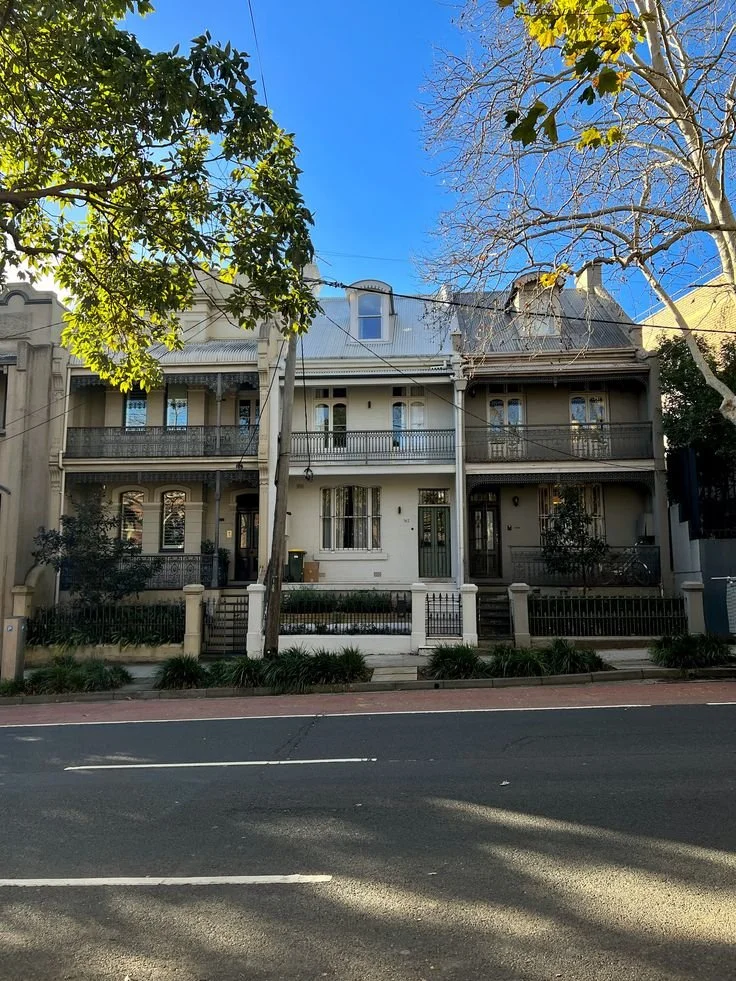
Ask around about facade inspections in NSW and you will get confident but contradictory answers. Some sources will tell you an annual inspection is mandatory. Others will tell you there is no requirement at all. Both are wrong, and the confusion leaves a lot of building owners either paying for things they do not need or, more often, ignoring an obligation they did not realise they had.
Here is the accurate position. NSW does not have a single, blanket law that says every building must have its facade inspected on a set cycle. Unlike Singapore, which requires periodic facade inspections for older buildings, or parts of the United States with their own inspection regimes, NSW has no equivalent standalone facade inspection mandate. What NSW does have is a set of separate obligations that, taken together, mean most owners of apartment and commercial buildings do need to know the condition of their facade, and can face real consequences if they do not.
This guide explains what those obligations actually are, what a facade inspection involves, what it finds, and when your building genuinely needs one.
What counts as the facade
The facade is more than the exterior finish. In building terms it is the enclosure: the part of the building that separates the inside from the outside. That is worth stating clearly, because it defines the scope of what an inspection covers.
For most buildings the facade includes external walls and their cladding or render, windows, glazing and curtain walls, doors and their surrounds, balconies, balustrades and soffits, sealant and expansion joints, parapets and roof edges, and the fixings and anchors that hold all of it in place. The NSW legislation that governs this work uses the term "building enclosure" and defines it broadly, covering roof systems and walls both above and below ground, including windows and doors.
That breadth matters. Facade problems are rarely just cosmetic, because the same elements that make a building look the way it does are also the ones keeping water out and holding material safely above people's heads.
Is a facade inspection mandatory in NSW?
The short answer is that there is no single NSW law requiring periodic facade inspections for all buildings. Anyone who tells you a facade inspection is universally mandatory on a fixed cycle is overstating it.
The longer and more useful answer is that several genuine obligations exist which, in practice, require an owner to understand the condition of their facade. These are the ones that actually matter.
The duty to maintain and repair common property
For strata schemes, this is the big one. Under the Strata Schemes Management Act, an owners corporation has a duty to properly maintain and keep in a state of good and serviceable repair the common property of the scheme. The facade is common property. That duty is ongoing and does not depend on anyone issuing a notice, and it is not discharged by simply not knowing about a problem.
This is why the "no mandatory inspection" answer is misleading in practice. There may be no law prescribing an inspection interval, but there is a legal duty to keep the facade in good repair, and an owners corporation that has never assessed its facade has no basis for claiming it has met that duty.
Fire safety obligations and essential fire safety measures
Where external wall construction and cladding form part of a building's essential fire safety measures, they fall within the annual fire safety statement regime, which requires that essential fire safety measures be assessed by an accredited practitioner and certified each year. NSW has also tightened requirements around inspection and testing of essential fire safety measures under AS 1851-2012, with changes taking effect from February 2026, and building owners must keep records and make them available.
The broader point is that the regulatory direction in NSW is toward more scrutiny of building safety, not less, and external walls sit inside that scrutiny.
Combustible cladding obligations
Buildings with certain external combustible cladding carry their own obligations in NSW, including registration requirements, and aluminium composite panels with a polyethylene core above the prescribed threshold are banned in external cladding. If your building has or may have combustible cladding, that is its own workstream, and we cover it in detail in our guide to combustible cladding in NSW.
Council orders and regulator powers
Councils and Building Commission NSW have powers to require owners to address unsafe or defective buildings. An order arrives after a problem has been identified, which is precisely the situation a proactive inspection is designed to avoid. Responding to an order is always more expensive and more disruptive than acting early.
Warranty and defect windows for newer buildings
For newer buildings, statutory warranties under the Home Building Act generally run six years for major defects and two years for other defects from completion, and new residential strata buildings of four or more storeys move through the building bond scheme inspection timetable. Facade defects are among the most common and most expensive to emerge in new apartment buildings, and they need to be identified while those windows are open. Our guide to building defect reports explains how that process works.
Capital works planning
Every NSW strata scheme must maintain a ten year capital works fund plan. Facade repainting, recladding, sealant renewal and concrete repair are among the largest items in that forecast. A plan that has never been informed by an actual facade assessment is guessing at some of its biggest numbers, which is the subject of our capital works fund guide.
Insurance and duty of care
Insurers increasingly expect evidence that a building is being properly maintained, and a facade that sheds material onto a footpath is a public safety matter with liability attached. Documented inspections demonstrate that an owners corporation has acted reasonably, which matters a great deal if a claim or dispute ever arises.
Why facades deteriorate
Facades take more punishment than any other part of a building. They are exposed to sun, rain, wind and temperature swings continuously, they carry their own weight plus wind load, and on the coast they are subject to constant salt exposure that accelerates corrosion. Sydney's marine environment is genuinely harder on buildings than an inland climate.
The most common facade problems inspections find are:
Cracked or drummy render, which lets water into the wall behind it.
Perished or failed sealant at window perimeters, joints and junctions, one of the most common and most fixable causes of water entry.
Concrete spalling and concrete cancer on balcony edges, soffits, columns and slab edges, where corroding reinforcement cracks the concrete apart.
Corroding fixings and anchors holding cladding, balustrades, awnings and facade panels, which is a safety issue as much as a durability one.
Failed or damaged cladding, including delamination, panel movement and combustible material.
Deteriorated windows and glazing, including corroded frames, failed glazing seals and drainage paths that have blocked.
Balustrade defects, including corrosion, fixing failure and non compliant glass or heights.
Failed movement and expansion joints, which cause cracking as the building moves.
Water ingress through any of the above, which is often the first symptom an owner notices from inside.
What a facade inspection actually involves
A facade inspection is a structured assessment, not a walk around the building with a camera. A thorough one typically includes several layers.
It starts with a documentation review, looking at original drawings and specifications, any cladding or fire safety records, previous reports and known maintenance history, so the inspection is informed rather than blind.
Then comes visual assessment of the facade from ground level and from within the building, identifying visible defects and patterns. Patterns matter, because a defect repeating on one elevation usually points to a systemic cause rather than an isolated failure.
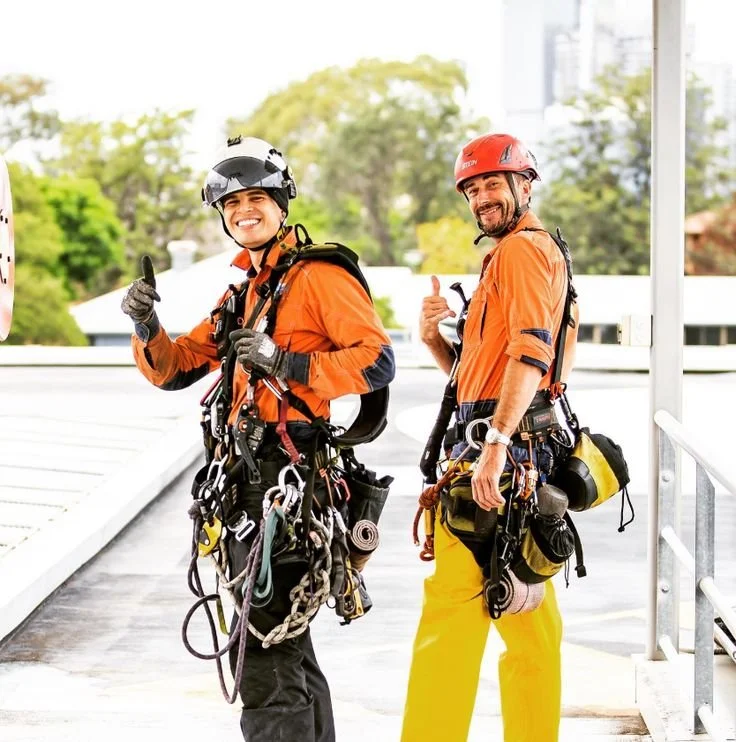
For anything above ground level, that visual assessment has to get close. Close range inspection may use rope access, elevated work platforms, swing stages or drones, and this is where an inspection either earns its value or does not. A defect that cannot be seen from the ground cannot be assessed from the ground, and corroding fixings and hairline cracking are exactly the kind of thing that is invisible at a distance.
Where required, the inspection includes diagnostic testing: moisture readings and thermal imaging to trace water, sounding to find drummy render and delaminated concrete, cover meter and carbonation or chloride testing where concrete corrosion is suspected, and adhesion or fixing checks on cladding and anchors. Some assessments include limited invasive investigation, opening small areas to inspect what sits behind the finish, particularly for cladding make up and wall construction.
The output should be a facade condition report that identifies each defect with its location and photographic evidence, diagnoses the cause rather than just describing the symptom, rates severity and risk so the owner knows what is urgent, references the relevant standards or code requirements where something does not comply, and recommends rectification with enough detail to inform budgeting and tendering.
A report that lists observations without diagnosing causes or prioritising risk is of limited use, because it leaves the owner with a list and no plan.
Who should carry out a facade inspection
This is where NSW regulation becomes directly relevant, and it is worth understanding.
Under the Design and Building Practitioners Act, the building enclosure is a declared building element, and facade is a specific class of design practitioner registration. The Act applies not only to new construction of class 2 buildings, which are residential apartment buildings, and mixed use buildings with class 2 parts, but also to alterations and to the repair, renovation and protective treatment of those buildings. Designs for regulated building elements must be prepared by a registered design practitioner in the relevant class, who provides a design compliance declaration lodged through the NSW Planning Portal.
The practical consequence for building owners is significant. If your facade assessment leads to remedial work on an apartment building, the design for that work is regulated, and it needs a practitioner registered in the right class. Engaging someone without facade registration for the assessment can mean starting again when it comes time to design the repair.
So the questions worth asking before engaging anyone are whether they are registered as a design practitioner and in which classes, whether they can diagnose causes rather than just list observations, whether they have the access capability to inspect the facade properly rather than only from ground level, whether they can carry the work through from assessment to remedial design, and whether they are independent of the contractors who would carry out the repairs.
That last point matters. An inspector who does not profit from the repair has no incentive to overstate what is needed.
When to commission a facade inspection
There is no universal interval mandated in NSW, but there are clear points at which an inspection is genuinely warranted:
Any visible sign of deterioration: cracking, spalling, rust staining, loose or displaced material, failed sealant or water entry.
Anything falling from the building, however small, which is an immediate safety matter.
Before major facade expenditure such as repainting or recladding, so the money addresses causes rather than covering symptoms.
When preparing or reviewing the ten year capital works plan, so facade costs in the forecast reflect the building's real condition.
As a newer building approaches the end of its warranty or defect windows, so defects are documented while claims remain possible.
If the building has or may have combustible cladding.
After severe weather, particularly storms with strong wind, which can damage fixings, cladding and glazing.
On a sensible cycle for older or coastal buildings, where salt exposure and age make deterioration faster and less predictable. Many owners of ageing apartment buildings find a periodic assessment every few years is the practical way to stay ahead of costs, even though no law prescribes it.
The consistent theme is that facade problems compound. Water entry accelerates corrosion, corrosion cracks concrete, cracked concrete lets in more water, and material eventually comes loose. Catching that cycle early is dramatically cheaper than interrupting it late.
Frequently asked questions
Are facade inspections mandatory in NSW? There is no single NSW law requiring periodic facade inspections for all buildings. However, owners corporations have a legal duty to maintain and repair common property, which includes the facade, and other obligations apply around fire safety measures, combustible cladding, council orders and capital works planning. In practice most apartment and commercial building owners need to understand their facade's condition to meet those duties.
How often should a facade be inspected? No interval is prescribed in NSW. For older buildings, coastal buildings and buildings with known defects, a periodic assessment every few years is a common and sensible approach, alongside inspections triggered by visible deterioration, severe weather, planned facade expenditure or capital works planning.
What does a facade inspection include? Typically a documentation review, visual assessment from ground and building level, close range inspection using rope access, elevated work platforms or drones, diagnostic testing such as moisture readings, thermal imaging, sounding and concrete testing, and sometimes limited invasive investigation. The output is a condition report identifying defects, causes, risk ratings and recommended rectification.
Who is responsible for the facade in a strata building? The facade is common property, so the owners corporation is generally responsible for maintaining and repairing it, and for funding that work through the capital works fund or a special levy. For newer buildings, defects may also be recoverable from the developer or builder.
Do I need a registered practitioner for facade work in NSW? For class 2 residential apartment buildings and mixed use buildings with class 2 parts, the building enclosure is a regulated building element under the Design and Building Practitioners Act, and that applies to repair and remediation as well as new construction. Designs must be prepared by a practitioner registered in the relevant class, which includes facade.
How much does a facade inspection cost? It depends on the size and height of the building, the level of access required, and the depth of testing involved. Access is usually the largest variable, since inspecting a high rise facade at close range costs considerably more than a low rise building. A consultant can scope and price it once the building and objectives are clear.
Find out what your facade is actually doing
A facade is the one part of a building that is both its public face and its primary defence against water, and it deteriorates quietly until it does not. The absence of a prescribed inspection cycle in NSW is not the same as an absence of responsibility, and owners corporations in particular carry a standing duty to keep common property in good repair that no one else discharges for them.
Assentra is a registered design practitioner in Facade, Waterproofing, Structural and Civil, which means we can assess your facade, diagnose what is causing the deterioration, and design compliant remedial work without handing you between consultants. Learn more about our facade engineering and inspection services or get in touch to arrange an inspection to find out exactly what condition your building's facade is in, and what it will take to keep it safe.